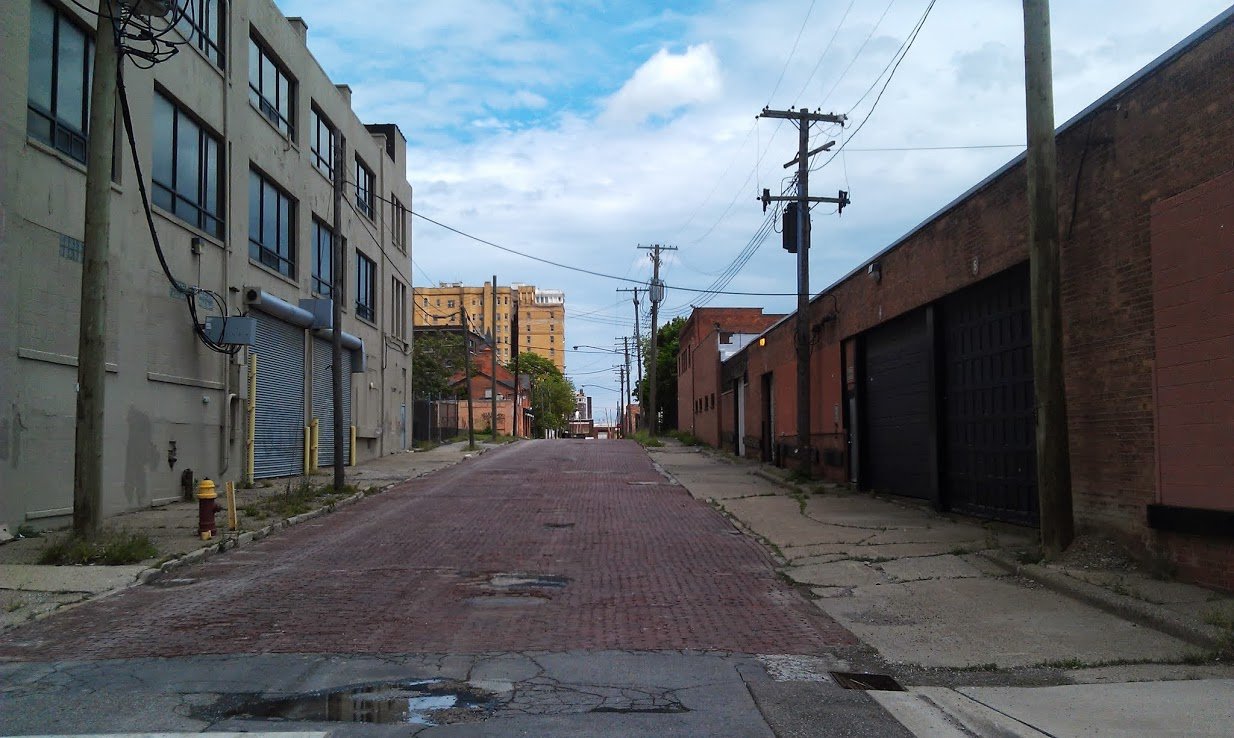
The City of Los Angeles admits that 40% of its streets are cracked, broken and dangerous—I wonder if the streets in war torn Gaza is as bad. The cost to fix, is estimated, at a minimum to be $1.5 billion. So, how much does this union controlled town spend to fix the sidewalks? $27 million. Not a typo. In other words, the city has no intention to fix the streets—the leadership likes the Gaza look of the community.
But, they have a plan—they want to create a “new revenue stream”. For the uninitiated, that means raising taxes. Instead of ending the union monopoly over the city, instead of reforming the collapsing pension system, instead of ending the almost half billion debt of the city will have by 2017, they want to raise taxes. Great way to make matters worse.
“While the members of the City Council droned on about alternative financing and enforcement plans, new technologies, the hiring of independent contractors, and many other related matters, the real issue is who is going to pay for the repair of the City’s tree damaged sidewalks.
The City is looking to establish “new revenue streams” so it can develop a complete and comprehensive solution for our sidewalks.”
Now Our City Council Wants a Sidewalk Tax!
Written by Jack Humphreville, City Watch LA, 8/29/14
LA WATCHDOG-Pleading poor mouth, our City Council appears to be hell bent on dumping its obligation to repair our tree damaged sidewalks on homeowners, apartment owners, commercial establishments, and/or the general public.
The City estimates that 40% of our 10,750 miles of sidewalks are in need of various levels of repair and that the cost to fix our failed sidewalks and curbs will be at least $1.5 billion.
According to Councilman Paul Krekorian, this estimate may be based on a February 2008 Street Services report that said that 38% of the City’s properties have “some sidewalk damage.” However, according to his rough and dirty calculations, only 12% of the linear length of our sidewalks may be in need of repair.
Unfortunately, there is no concrete information about how many of our sidewalks are in need of repair, including those segments damaged by trees and their roots, a responsibility the City assumed in 1973, overriding the 1911 state law that obligated the property owners to maintain their sidewalks. Nor is there any information about the level of damage of these flawed segments or any distinction between residential and commercial properties.
The City is concerned about its liability for its damaged sidewalks, not only from everyday slip and fall injuries, but from the 2010 Willits v. City of Los Angeles federal class action lawsuit that alleges the City violated the Americans with Disabilities Act.
Accordingly, the City will devote the entire $27 million allocated for sidewalk repairs in this year’s budget to fixing City owned sidewalks that “hold the highest potential for liability and present the most significant challenges to mobility and public access to the public’s facilities.” But more will be needed next year to fix City owned sidewalks.
The City Council has asked the City Administrative Officer and Chief Legislative Analyst to report on reconstituting the “50/50” cost sharing program for residential properties that was discontinued in 2009 because of budgetary constraints. As part of this analysis, the CAO must also determine the City’s cost of repairing or reconstructing sidewalks and compare those costs to what is available from independent contractors that are not burdened by the expense associated with City’s cumbersome bureaucracy, regulations, and work rules.
The City Council has also requested reports on two other ways to mitigate or eliminate its obligation to repair tree damaged sidewalks. One would create a low cost Revolving Loan Program funded by the City’s taxpayers while the other would establish Assessment Districts funded by taxes on local property owners.
While the members of the City Council droned on about alternative financing and enforcement plans, new technologies, the hiring of independent contractors, and many other related matters, the real issue is who is going to pay for the repair of the City’s tree damaged sidewalks.
The City is looking to establish “new revenue streams” so it can develop a complete and comprehensive solution for our sidewalks.
 About Stephen Frank


Speak Your Mind