On the streets of Pittsburgh you will find delivery trucks—without drivers. On the street of Phoenix you will find cars on the streets without drivers (because San Fran would not allow them). While it will take time for a majority of cars and trucks to be driverless, it has already been predicted that children born today may never drive. That is only sixteen years from now. Our world is changing—computers are frying burgers, little table top computers are taking orders and payments. Hospitals are sanitizing rooms—and surgeons can perform operation 8,000 miles away.”
“It’s reasonable to believe that self-driving vehicles can and will become safer, statistically, than human drivers. They don’t get tired, they don’t drink and they don’t get distracted. But there will be unavoidable accidents — and who will be responsible, legally and financially? Presumably, car owners will still need insurance, but the bulk of the liability may be borne by the car manufacturer, as their programs are telling the car how to navigate and how to drive safely from place to place.
These vehicles will have ethical dilemmas to resolve. If the car must choose between hitting a group of pedestrians, or swerving and hitting another object, it must consider the relative risks to its own passengers and to the other parties, and decide on an appropriate course of action. Minimizing loss of life may be the best choice but that may come at greater risk to the passengers’ lives. Owners may want a say in how that decision gets made and so might the regulatory agencies.
The Internet created lots of new issues like privacy, copyright, ending brick and mortar stores, expanding marketing potentials. Let us not be afraid of the future—I plan on embracing new technology. At this time I am imagining my trips to Northern California using my GPS and an autonomous driver. Luxury!
(full disclosure: I have known Paul Witman and his family for more than 25 years—truly a decent person)
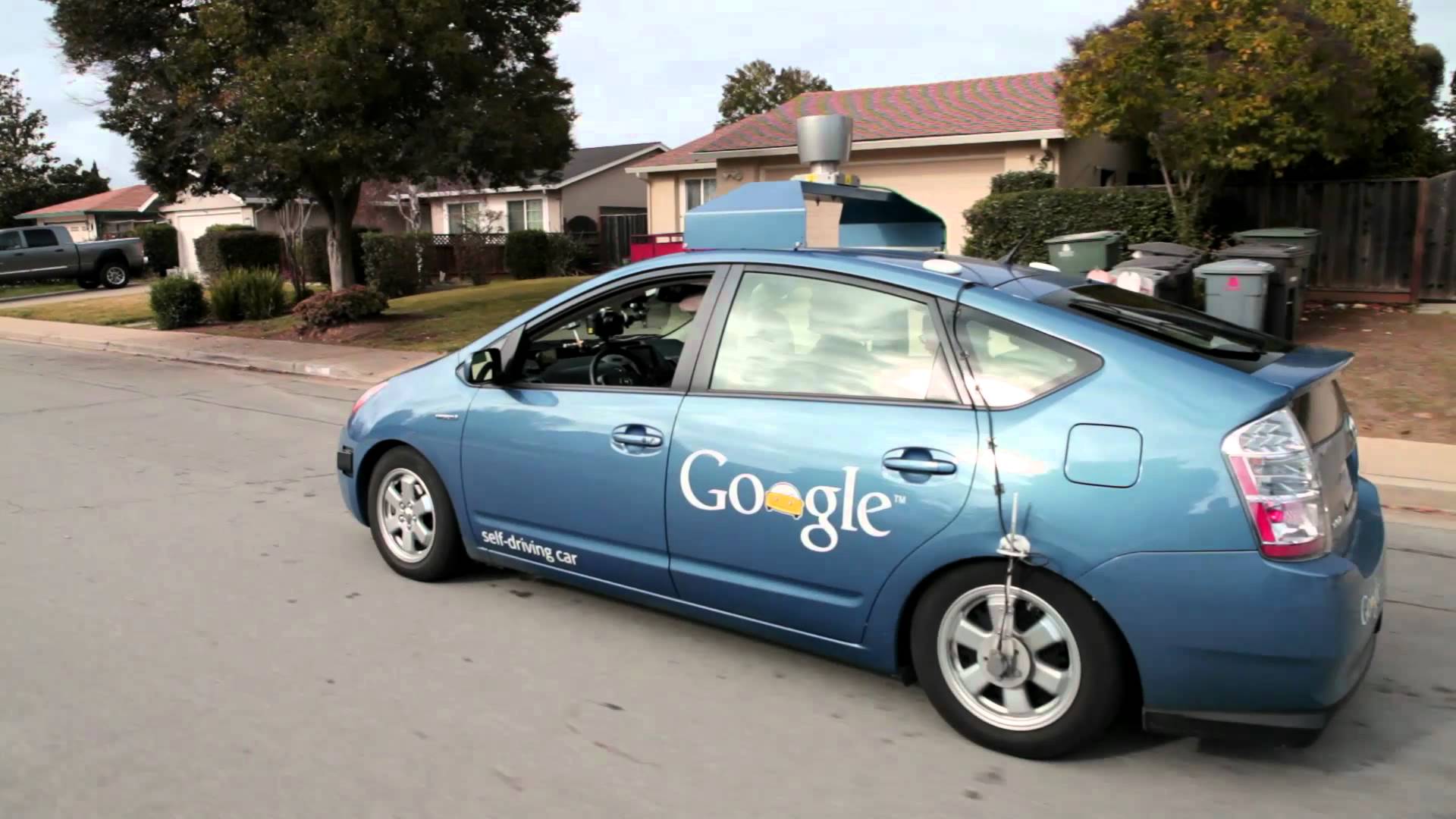
Self-driving cars: Disruptions on the road ahead
By Paul Witman, Pacific Coast Business Times, 12/23/16
Self-driving cars and trucks are making their way from the lab to city streets and highways. Projects from Google, Audi, Tesla and others have made considerable progress in enabling the “driver” just to tell the car where to go and the car does the rest. Uber, the taxi alternative, is testing these vehicles in Pittsburgh, known for its maze of bridges and one-way streets. So, what happens when self-driving vehicles get “good enough” for large-scale adoption?
We need to start with what “good enough” means. It’s one thing to navigate from one home to another, but navigating within an office park, a university campus or an airport can be quite another thing, with the need for the car to get you to the right place and, perhaps separately, find itself a place to park. Consumers and regulators will also have strong opinions about safety. Remarkably, we’re comfortable getting on the road when we’re in control even when our skills aren’t the best, but it will take time before most consumers are willing to trust an automated vehicle to get them from place to place safely.
It’s reasonable to believe that self-driving vehicles can and will become safer, statistically, than human drivers. They don’t get tired, they don’t drink and they don’t get distracted. But there will be unavoidable accidents — and who will be responsible, legally and financially? Presumably, car owners will still need insurance, but the bulk of the liability may be borne by the car manufacturer, as their programs are telling the car how to navigate and how to drive safely from place to place.
These vehicles will have ethical dilemmas to resolve. If the car must choose between hitting a group of pedestrians, or swerving and hitting another object, it must consider the relative risks to its own passengers and to the other parties, and decide on an appropriate course of action. Minimizing loss of life may be the best choice but that may come at greater risk to the passengers’ lives. Owners may want a say in how that decision gets made and so might the regulatory agencies.
Uber is very interested in these self-driving vehicles. They would enable Uber to remove one of its major costs, that of the driver. Uber is already disrupting the taxi industry with lower prices and more predictability and visibility of ride availability in many areas. Uber’s lower pricing and better service have already impacted numbers in the rental car industry — where travelers previously rented a car because taxi fares were too high or shared rides were too slow. It’s just simpler to use Uber to find your way around a new city for a few short trips. And when those are self-driving cars, we’ll have even greater predictability with no human driver in the process.
Self-driving vehicles bring the opportunity for new travel freedom for the elderly, for sight-impaired people and others for whom driving is difficult or impossible. And in an area where there are sufficient self-driving vehicles for “rent” — either for a short trip or for a few days or weeks — there will be disruptions to car ownership. Why spend hundreds of dollars a month in payments, taxes and insurance for a car that sits idle 95 percent of the time when you can rent one just when you need it?
Other disruptions are coming as well. If self-driving cars follow the rules and are safer, we can expect fewer traffic tickets and thus less government revenue but with a reduced need for traffic officers. We can also expect fewer cars needing bodywork after accidents and thus lower insurance rates. Insurance rates may also no longer depend so much on the driver, since the car is making all the decisions.
Technological changes have always created disruptions in industries and in social patterns, and self-driving vehicles will be no different. As the vehicles improve, look for a slow but steady response from government and industry to manage and capitalize on their capabilities and for ways for you to get the best value from this new technology.
- Paul Witman is a professor of information technology management in the California Lutheran University School of Management.
 About Stephen Frank


Speak Your Mind