We live in a world economy. Materials and parts can come from 150 different nations, labor can be bribe payers in the U.S., free workers that do not pay bribes in the U.S. H1-B workers from other nations stealing American jobs or a manufacturer in the slave labor nation of China. The car you own could have material from fifty nations and assembled in two nations, to be sold in Bakersfield. The economy is complex.
The simple question is this, what can the government do to protect U.S. workers and promote U.S. produced goods? NAFTA, TPP and other multi-lateral agreements or organizations like the United Nations put the United States at the back of the bus—but forces us to finance the destruction of the American economy.
My good friend Rich Eber is presenting an article showing the complexity of the issue. For those of us that discuss issues with the public, in many different forums, it is good to have this knowledge and understand the issue. The bottom line is that President Trump is right, Make America Great Again by promoting our nation instead of denigrating it like Obama and the Democrats have done for the past eight years. We can recover.
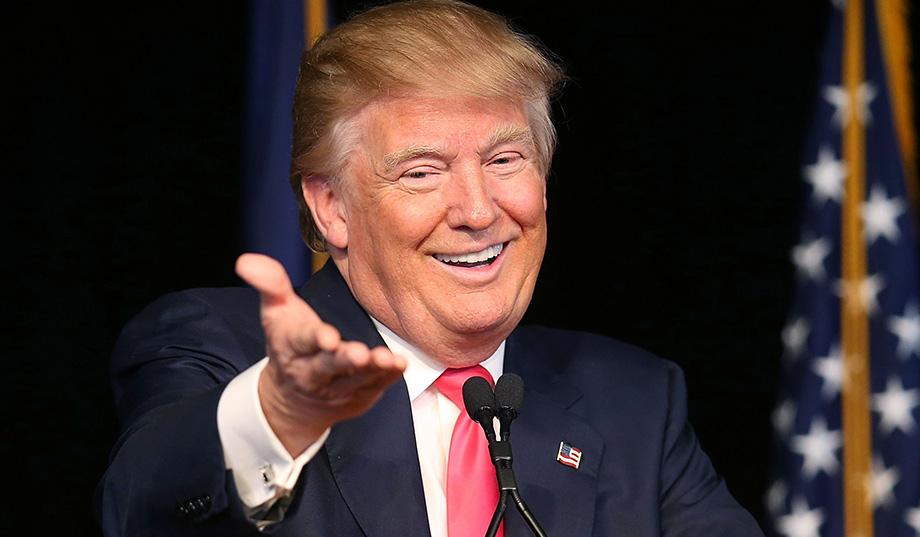
Make America Great Again-sort of? By Richard Eber
Richard Eber, California Political News and Views, 2/7/17
Even Donald Trump’s most adamant opponents support his signature baseball hat which reads “Make America Great Again.” The question to be answered is how to get there. This dichotomy of different business models is very much apparent with the varying lines of head wear sold proudly bearing slogan that helped elect the New York business tycoon to the Presidency last November.
There are several ways of making product available to consumers with different cost structures depending on where product content comes from and the labor expenditures in the manufacturing process.
These Make America Great Again hats varied from being:
- Union made in America with both materials and labor of USA origin. The retail on the internet is about $ 25.00 for the model “The Donald”has worn. Superior quality and quick outturn are provided for what are the most expensive items of this type in the market.
- Made in America by non-union workers with materials coming from abroad. This is a less costly alternative with a retail of about 70% of the real deal. While the materials are not quite as good as the above, it is difficult for civilians to know the difference
- Import caps from China but monogram in USA. Many small businesses use this business model for custom hats, shirts, and athletic wear which they can provide their clients on a timely basis. They have to pay an import duty rate of $ 1.00 per hat but this cost is easily absorbed. Retail for what they sell is less than half of union made.
- Do everything in China including the hat, monogramming, and use of trademarks if applicable. Even with the import duties baseball caps can be produced for next to nothing. A Make America Great Again cost less than $ 5.00 retail on Amazon which ended up being a big seller even if the quality of the item was questionable. A lot of greatness can be dispensed with 100,000 units being able to be loaded in a 40 foot ocean container.
Ironically, the biggest seller for the Trump hats has been the least expensive ones. This kind of tells the expectations of loyalty one can expect from consumers. In this case even if a high level of patriotism is involved, the bottom line is all that matters when the dollars are cents are involved.
Our example of baseball cap manufacturing is typical of how industries use in many cases foreign and domestic materials along with labor in different combinations to produce the final product. The rule of thumb in almost every case is that Made in America is more costly. This is why Donald Trump believes lowering corporate taxes and reducing regulations will make manufacturing in America more competitive than in the recent past.
Whether it is the production of a hat or assembling an automobile, changing trade policies is a complex matter. This is why when Donald Trump threatens a 20% border tax with Mexico or throws the Trans-Pacific Partnership (TPP) in the dumpster, the USA economy is affected in many ways.
No one is more aware of this than Mitch Cahn, President of Unionmade of Newark New Jersey which sells arguably the most expensive baseball caps around. This niche business caters to union organizations and labor supporters who want “Made in USA” to cover all aspects of the manufacturing. Ironically, when Democrats send it orders, union made is prominently displayed. Not so much when GOP organizations are involved.
The outspoken Cahn has mixed emotions of proposed trade policies of Donald Trump because of his concern about how they might affect his business.
On the topic of a 20% border tax with Mexico he predicted “We would see prices rise on imported products that would make domestic goods more competitive. However, price increases could spur inflation, which could cause wage inflation, which could end up making domestic goods less competitive.”
One would think Cahn would be worried about foreign countries dumping textile products into the USA market. Apparently that ship has sailed as he quipped “I do not believe that to be the case in the textile industry—third world countries do not need to sell textiles at or below cost to crush US manufacturers… they can undercut us by continuing to run unsafe factories with child labor and no environmental standards.”
As might be expected Cahn is a strong supporter of organized labor which is incorporated into his business. This does not necessarily mean his workers should automatically support pro labor Democrats when it is time to vote. He is very aware of this.
Cahn argues “Unions need to be more aligned with their rank and file for their clout to even matter. If the union members want to support protectionism and reject illegal immigration, and the union organizations think otherwise because they have their own agenda, such as bolstering membership or favoring unions that benefit from globalization, union organizations can support Demos all they want and it won’t make a difference.”
Cahn brings up issues which continually come up when world trade is discussed. Economies of different governments of varying ideologies are interconnected. When mega powers China and/or the United States makes even a small move, the impacts can be enormous.
This is especially true in the State of California where exports come to about 170 billion dollars a year. According to the Cal Chamber, Over 1 million decent jobs are estimated to be involved with the trade which covers everything from High tech to agricultural commodities. Truck drivers to chip designers are all involved with foreign commerce
This is why policies of the new Trump Administration towards Mexico and the TPP affect the States economics a lot more than approving cabinet members, worrying about immigration policies from places where terrorists reside and figuring out how to be a politically correct proper sanctuary city. Trade is the stuff of food, shelter, and clothing for which California accounts for 11% of the total exports from the United States.
If these figures aren’t staggering enough there is the import trade to contend which is also is a major source of jobs with warehousing, logistics, and distribution in the “Golden State”. Let’s not forget that we depend every day on these imported products from when we get up in the morning until we retire in the evening. Made in the USA sounds great on paper, but it is just part of the equation of how contemporary life is lived around the world.
Are you listening for a change Donald?
.
We live in a world economy. Materials and parts can come from 150 different nations, labor can be bribe payers in the U.S., free workers that do not pay bribes in the U.S. H1-B workers from other nations stealing American jobs or a manufacturer in the slave labor nation of China. The car you own could have material from fifty nations and assembled in two nations, to be sold in Bakersfield. The economy is complex.
The simple question is this, what can the government do to protect U.S. workers and promote U.S. produced goods? NAFTA, TPP and other multi-lateral agreements or organizations like the United Nations put the United States at the back of the bus—but forces us to finance the destruction of the American economy.
My good friend Rich Eber is presenting an article showing the complexity of the issue. For those of us that discuss issues with the public, in many different forums, it is good to have this knowledge and understand the issue. The bottom line is that President Trump is right, Make America Great Again by promoting our nation instead of denigrating it like Obama and the Democrats have done for the past eight years. We can recover.
Make America Great Again-sort of? By Richard Eber
Richard Eber, California Political News and Views, 2/7/17 www.capoliticalreview.com
Even Donald Trump’s most adamant opponents support his signature baseball hat which reads “Make America Great Again.” The question to be answered is how to get there. This dichotomy of different business models is very much apparent with the varying lines of head wear sold proudly bearing slogan that helped elect the New York business tycoon to the Presidency last November.
There are several ways of making product available to consumers with different cost structures depending on where product content comes from and the labor expenditures in the manufacturing process.
These Make America Great Again hats varied from being:
- Union made in America with both materials and labor of USA origin. The retail on the internet is about $ 25.00 for the model “The Donald”has worn. Superior quality and quick outturn are provided for what are the most expensive items of this type in the market.
- Made in America by non-union workers with materials coming from abroad. This is a less costly alternative with a retail of about 70% of the real deal. While the materials are not quite as good as the above, it is difficult for civilians to know the difference
- Import caps from China but monogram in USA. Many small businesses use this business model for custom hats, shirts, and athletic wear which they can provide their clients on a timely basis. They have to pay an import duty rate of $ 1.00 per hat but this cost is easily absorbed. Retail for what they sell is less than half of union made.
- Do everything in China including the hat, monogramming, and use of trademarks if applicable. Even with the import duties baseball caps can be produced for next to nothing. A Make America Great Again cost less than $ 5.00 retail on Amazon which ended up being a big seller even if the quality of the item was questionable. A lot of greatness can be dispensed with 100,000 units being able to be loaded in a 40 foot ocean container.
Ironically, the biggest seller for the Trump hats has been the least expensive ones. This kind of tells the expectations of loyalty one can expect from consumers. In this case even if a high level of patriotism is involved, the bottom line is all that matters when the dollars are cents are involved.
Our example of baseball cap manufacturing is typical of how industries use in many cases foreign and domestic materials along with labor in different combinations to produce the final product. The rule of thumb in almost every case is that Made in America is more costly. This is why Donald Trump believes lowering corporate taxes and reducing regulations will make manufacturing in America more competitive than in the recent past.
Whether it is the production of a hat or assembling an automobile, changing trade policies is a complex matter. This is why when Donald Trump threatens a 20% border tax with Mexico or throws the Trans-Pacific Partnership (TPP) in the dumpster, the USA economy is affected in many ways.
No one is more aware of this than Mitch Cahn, President of Unionmade of Newark New Jersey which sells arguably the most expensive baseball caps around. This niche business caters to union organizations and labor supporters who want “Made in USA” to cover all aspects of the manufacturing. Ironically, when Democrats send it orders, union made is prominently displayed. Not so much when GOP organizations are involved.
The outspoken Cahn has mixed emotions of proposed trade policies of Donald Trump because of his concern about how they might affect his business.
On the topic of a 20% border tax with Mexico he predicted “We would see prices rise on imported products that would make domestic goods more competitive. However, price increases could spur inflation, which could cause wage inflation, which could end up making domestic goods less competitive.”
One would think Cahn would be worried about foreign countries dumping textile products into the USA market. Apparently that ship has sailed as he quipped “I do not believe that to be the case in the textile industry—third world countries do not need to sell textiles at or below cost to crush US manufacturers… they can undercut us by continuing to run unsafe factories with child labor and no environmental standards.”
As might be expected Cahn is a strong supporter of organized labor which is incorporated into his business. This does not necessarily mean his workers should automatically support pro labor Democrats when it is time to vote. He is very aware of this.
Cahn argues “Unions need to be more aligned with their rank and file for their clout to even matter. If the union members want to support protectionism and reject illegal immigration, and the union organizations think otherwise because they have their own agenda, such as bolstering membership or favoring unions that benefit from globalization, union organizations can support Demos all they want and it won’t make a difference.”
Cahn brings up issues which continually come up when world trade is discussed. Economies of different governments of varying ideologies are interconnected. When mega powers China and/or the United States makes even a small move, the impacts can be enormous.
This is especially true in the State of California where exports come to about 170 billion dollars a year. According to the Cal Chamber, Over 1 million decent jobs are estimated to be involved with the trade which covers everything from High tech to agricultural commodities. Truck drivers to chip designers are all involved with foreign commerce
This is why policies of the new Trump Administration towards Mexico and the TPP affect the States economics a lot more than approving cabinet members, worrying about immigration policies from places where terrorists reside and figuring out how to be a politically correct proper sanctuary city. Trade is the stuff of food, shelter, and clothing for which California accounts for 11% of the total exports from the United States.
If these figures aren’t staggering enough there is the import trade to contend which is also is a major source of jobs with warehousing, logistics, and distribution in the “Golden State”. Let’s not forget that we depend every day on these imported products from when we get up in the morning until we retire in the evening. Made in the USA sounds great on paper, but it is just part of the equation of how contemporary life is lived around the world.
Are you listening for a change Donald?
.
.
.
 About Stephen Frank


Speak Your Mind