There are 28 States where workers are free to join a union—or not. In those State workers are not forced by the union/government cabal to pay bribes in order to work. Professionals in those States are treated like professionals not slaves to the unions. Teachers are allowed to teach, not told by the union if they are allowed to participate in extra curricular activities or even appear in the classroom instead of a picket line.
California unions are fearful. With so many free States, unions in California are going to be forced to finance the Democrat Party in the other States as well. Maybe President Trump will take away some of the Federal protections used by the extortionist unions.
““One is if we’re even going to have a union,” she says. “Is it going to be a right-to-work-state here in California? So that’s one of the things I’m concerned about is our collective bargaining rights.”
In California, union representation continues to grow. But nationally it’s on the decline. Over half the states in the country are right-to-work states. That means employees cannot be compelled to join unions. Sylvia Allegretto is a labor economist with the Center on Wage and Employment Dynamics at UC Berkeley. She says it will be telling to see how the federal Department of Labor will act on workplace policies under Trump.
“Do they believe in expanding paid leave? Instituting better scheduling practices, especially for part-time workers?” she asks. “What will they do with the overtime the Obama administration wanted to expand and pass?”
The really bad news for the unions is that as the 28 free States grow and expand, California businesses will move from the Totalitarian State of California and move to free States. All that will be left will be the burger flippers and taco shell fillers—and a few to make pizza and southern fry chicken.
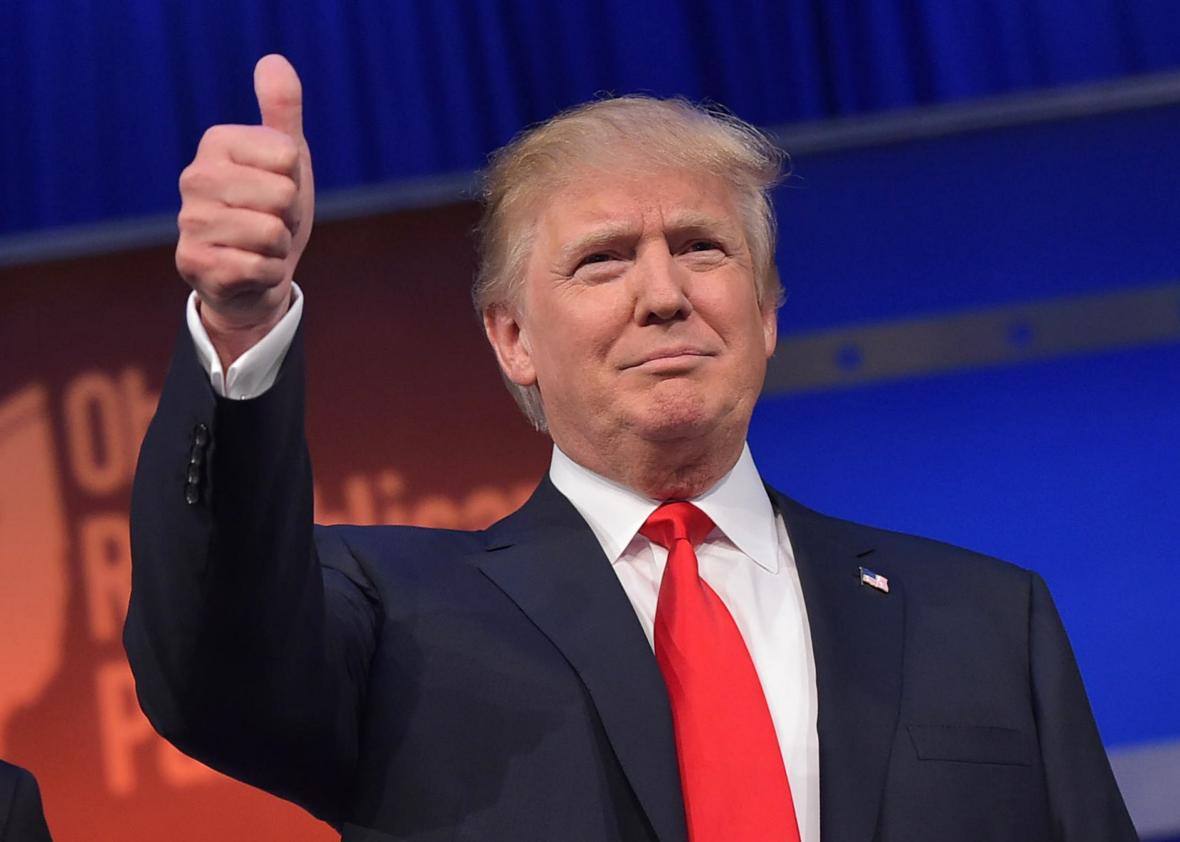
California Unions Playing Defense as Trump Presidency Begins
By Katie Orr, KQED, 2/7/17
Labor unions in California helped push successful efforts for increasing the minimum wage, mandatory paid sick leave and expanding overtime rules for farmworkers in the state. But the Trump administration has unions playing defense, even in labor-friendly California.
The new administration worries Belinda Beeks-Malone. She’s a member of the American Federation of State, County and Municipal Employees (AFSCME). She says her biggest concern is actually very basic.
“One is if we’re even going to have a union,” she says. “Is it going to be a right-to-work-state here in California? So that’s one of the things I’m concerned about is our collective bargaining rights.”
In California, union representation continues to grow. But nationally it’s on the decline. Over half the states in the country are right-to-work states. That means employees cannot be compelled to join unions. Sylvia Allegretto is a labor economist with the Center on Wage and Employment Dynamics at UC Berkeley. She says it will be telling to see how the federal Department of Labor will act on workplace policies under Trump.
“Do they believe in expanding paid leave? Instituting better scheduling practices, especially for part-time workers?” she asks. “What will they do with the overtime the Obama administration wanted to expand and pass?”
Allegretto says early signs indicate the administration won’t be very helpful to union workers. She points to Trump’s pick of Andy Puzder to be labor secretary. Puzder is chief executive of a company that franchises fast food restaurants. He has criticized minimum wage increases and paid sick leave. And Allegretto says the U.S. Supreme Court will likely revisit a case that could expand those right-to-work laws, which many regard as anti-union.
Still, California labor groups are trying to stay positive. Laphonza Butler, president of California’s Service Employees International Union (SEIU) State Council, says many of Trump’s campaign promises actually align with union goals.
“Trump has said to the American people that he was going to be a jobs creator,” she says. “He was going to bring manufacturing back. And he was going to keep auto plants thriving in our nation. And those are union jobs.”
Butler says SEIU wants to focus on protecting the Affordable Care Act and protecting immigrants. But she doesn’t believe California’s strong labor laws can shield unions from changing federal policies.
Steve Smith is with the California Labor Federation. He acknowledges unions are under siege.
“But we also look at this as an unprecedented opportunity to organize, to talk to workers about the value of having a union, to talk to workers about being able to stand together to demand fair treatment from their employers,” he says. “We don’t want to just play defense for four years, we want to go on offense.”
In other words, make lemonade out of lemons. To that end, Smith says there’s a large focus on mobilizing members.
“We’re going to have people out in the streets for the foreseeable future,” he says. “Because that’s how we believe we win over the long term.”
Whether Congress or the White House will be listening remains to be seen.
 About Stephen Frank


Speak Your Mind