The cat came out of the bag at the United States Supreme Court on Tuesday.
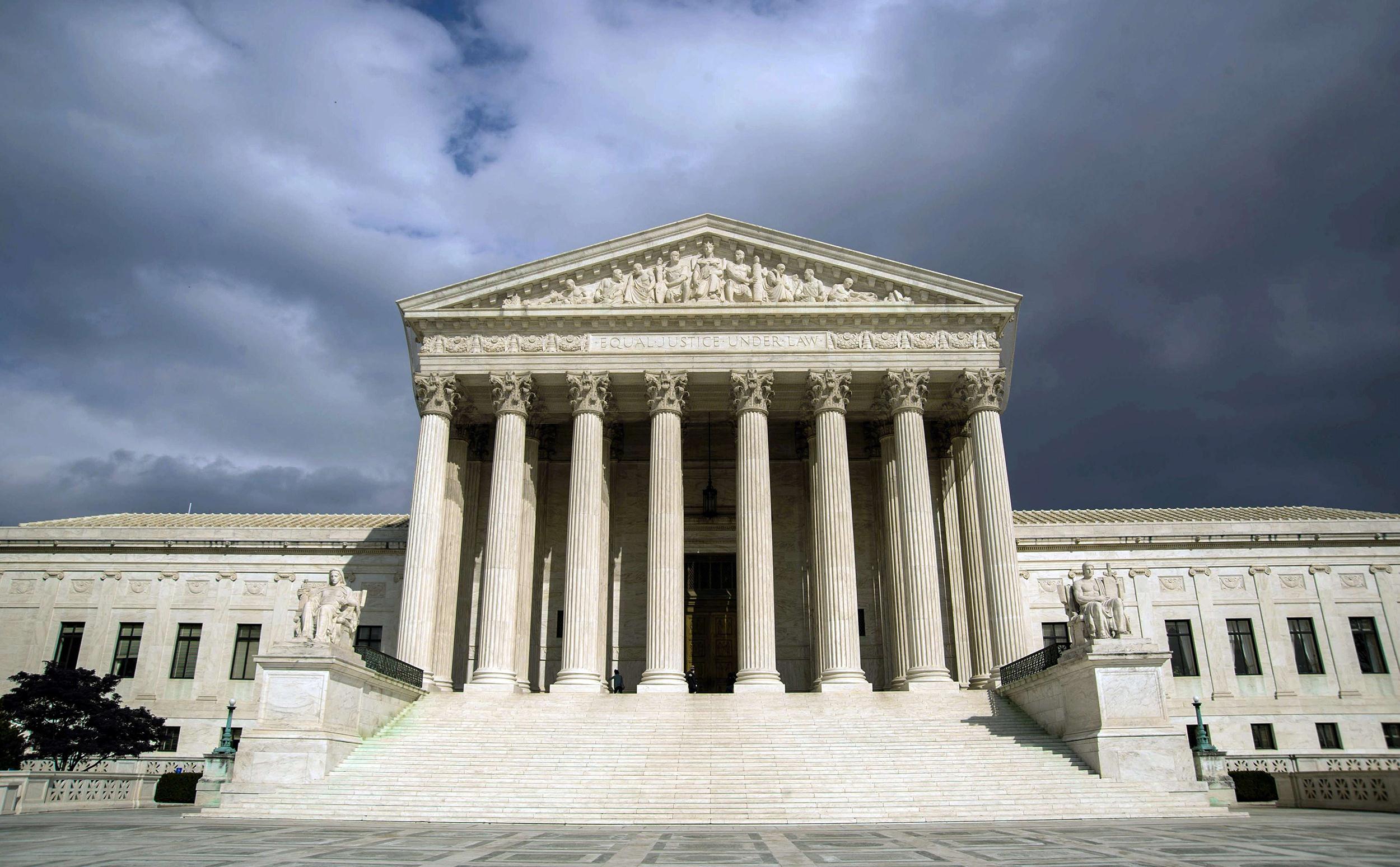
Since the early summer of 2020, when surfers alone in the ocean were chased by police and protesters who set cities on fire were declared “mostly peaceful,” it has seemed that equal justice under law has been torn out of the Constitution and kicked to the curb.
More than a thousand people have been criminally charged in connection with their actions at the U.S. Capitol on Jan. 6. The government has been relentlessly hunting down misdemeanor offenders for years as if they were Nazi war criminals hiding in Argentina.
Click here to SUBSCRIBE to CA Political Review
Justice Department prosecutors have used a particular provision in the law to charge more than 300 Jan. 6 defendants with a felony that carries a prison sentence of up to 20 years, much longer than the maximum sentences for nonviolent, protest-related misdemeanors such as civil disobedience in a restricted space.
The law is 18 U.S.C. Section 1512(c)(2). It was passed after the Enron accounting scandal as part of the Sarbanes-Oxley Act of 2002. Congress discovered that the law didn’t prohibit people from destroying their own records to foil an investigation and wrote this to close that loophole:
“Whoever corruptly — (1) alters, destroys, mutilates, or conceals a record, document, or other object, or attempts to do so, with the intent to impair the object’s integrity or availability for use in an official proceeding; or (2) otherwise obstructs, influences, or impedes any official proceeding, or attempts to do so, shall be fined under this title or imprisoned not more than 20 years, or both.”
Joseph Fischer was charged with various misdemeanors related to his presence at the Capitol on Jan. 6, and he was also charged with violating Section 1512(c)(2), obstructing an official proceeding. A U.S. district court judge threw out that charge, but an appeals court reinstated it. That’s when the Supreme Court stepped in.
On Tuesday the court heard oral arguments in the case. The justices grilled the government’s lawyer like a plate of raw meat at a Fourth of July barbeque.
“There have been many violent protests that have interfered with proceedings. Has the government applied this provision to other protests in the past, and has this been the government’s position throughout the lifespan of this statute?” Justice Clarence Thomas asked, and also, “Have you enforced it in this manner?”
U.S. Solicitor General Elizabeth Prelogar answered that there hadn’t been another case that involved violently storming a building to stop an official proceeding.


Speak Your Mind